El Niño: what UNICEF’s warning about 347 million children means
The global estimate concerns possible exposure, rather than a count of victims.
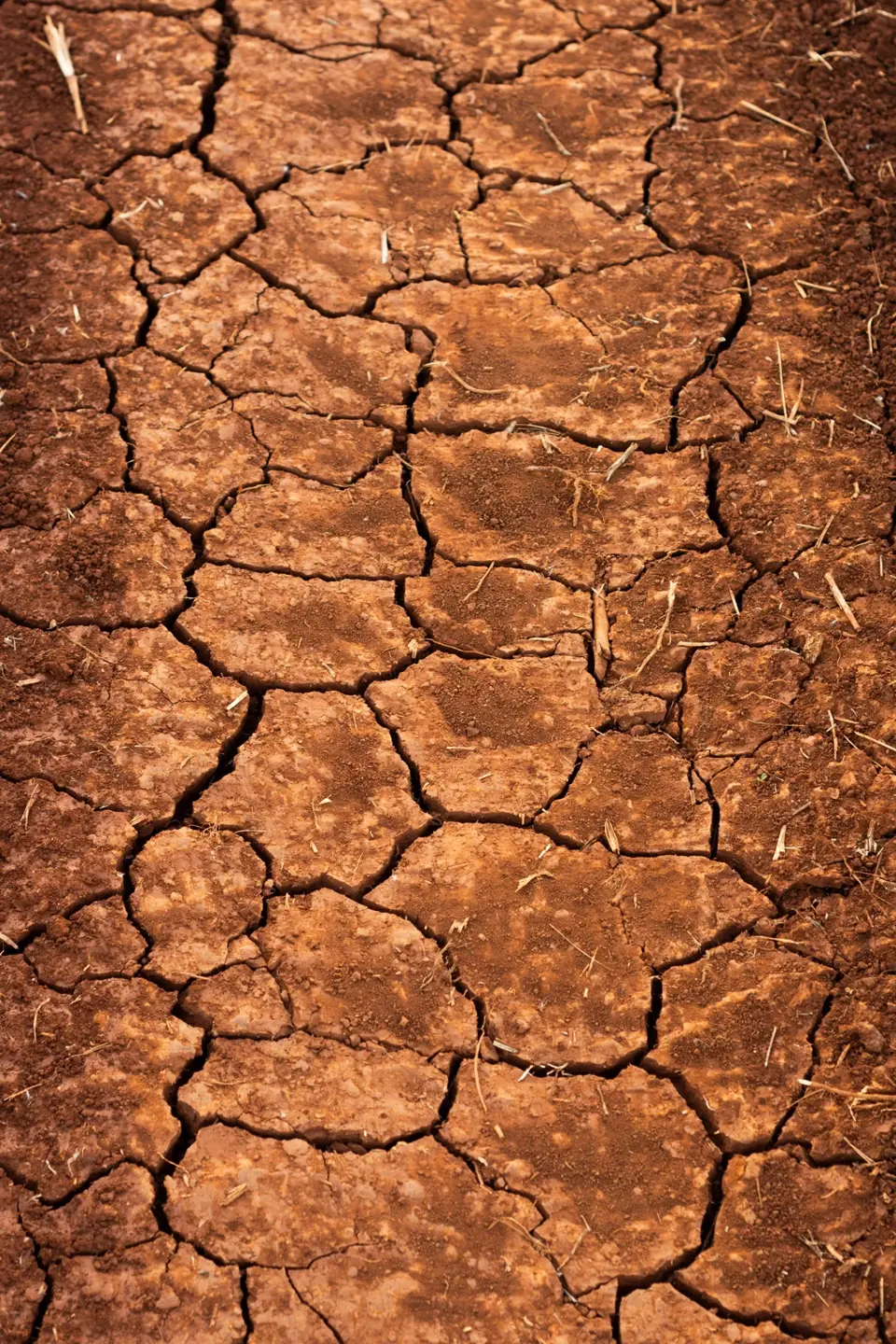
UNICEF is calling for essential services for children to be protected before El Niño’s effects worsen. In its statement of 6 October 2026, the agency estimates that more than 347 million children live in areas that could experience unusually high or low rainfall between October and December.
The figure measures potential exposure in nearly a hundred countries and territories. It does not mean that 347 million children have already suffered flooding or drought. Treating an exposed population as recorded damage would turn a preventive warning into a tally that does not exist.
The calculation combines the European Centre for Medium-Range Weather Forecasts’ September seasonal outlook, WorldPop population data and historical El Niño effects. A spatial resolution of roughly 110 kilometres supports a regional assessment, without enough detail to announce a risk in a Moroccan municipality.
The humanitarian issue extends beyond rainfall: disrupted access to water or schooling can increase children’s vulnerability. The agency urges early action to preserve these services. Estimates may change with subsequent forecasts; they are not a local weather bulletin.